
Actually, Your Reputation Isn’t Everything
Risk-taking is necessary to implement widescale change.
Risk-taking is necessary to implement widescale change.
Aliza Shatzman, president and founder of The Legal Accountability Project, a nonprofit aimed at ensuring that law clerks have positive clerkship experiences, continues her discussion of her work in judicial accountability.

Willkie AI and Innovation leader Todd Friedlich spoke to LexisNexis about firm’s thoughtful approach to legal AI
Aliza Shatzman, president and founder of The Legal Accountability Project, a nonprofit aimed at ensuring that law clerks have positive clerkship experiences, discusses her work in judicial accountability.

This federal appellate judge isn't here for these absurd allegations.

Or, they decided that the standing precedent was incorrect.
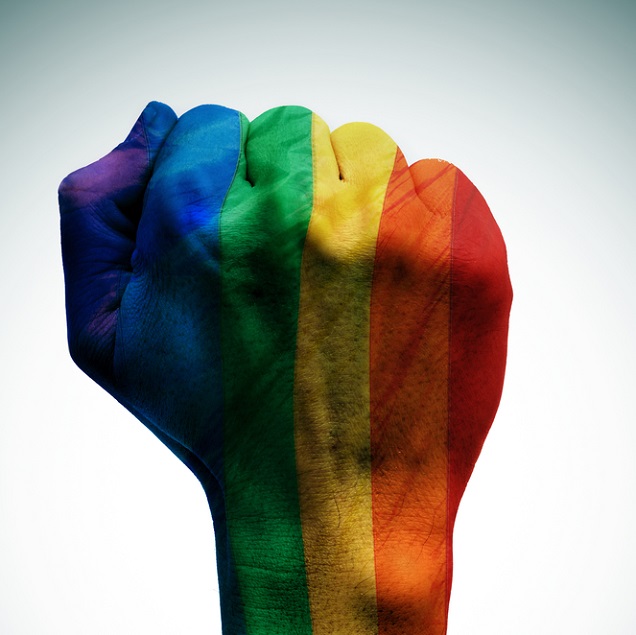
We're stuck with our current jurisprudential patchwork until the Supreme Court decides a workplace discrimination case.

Every new tool a PI firm buys solves one problem and connects nothing. The real fix isn't another purchase — it's keeping the whole case in one place, from accident to resolution. Here's how.

Can the women who have accused him of sexual harassment (or worse) recover damages?

Religious discrimination cases are dominating headlines -- and raising thorny legal issues.

* The Senate rejects the latest GOP effort to repeal the Affordable Care Act -- with Senator John McCain casting the decisive "no" vote. [Washington Post] * Riley Safer Holmes and Cancila continues its rapid expansion, adding 13 new lawyers -- including eight from Bryan Cave, led by former managing partner Joseph McCoy. [Law360] * More bad news for the LGBT community from the Trump administration: the Justice Department takes the position that Title VII doesn't cover discrimination on the basis of sexual orientation. [How Appealing] * Meanwhile, civil rights and LGBT groups get ready to file suit if President Trump's plan to ban transgender people from the military becomes a reality (which is not yet the case). [National Law Journal] * And these groups might just prevail -- Michael Richter and Anna Pohl, chairs of the New York City Bar Association’s Military Affairs and LGBT Rights Committees, lay out the case for why the transgender ban is unconstitutional. [The Hill] * Stephanie Francis Ward takes a long, hard look at the woes of Charlotte School of Law -- and the rest of the beleaguered Infilaw consortium of law schools. [ABA Journal] * Closing statements in the Martin Shkreli case paint very different pictures of the infamous "Pharma Bro." [Law.com] * Nuisance claims, or nuisance suits? Judge James Donato (N.D. Cal.) seems skeptical of a purported class-action case targeting Pokémon GO (which recently added Legendaries to the game). [The Recorder]

Has the twenty-first century seen the beginning of the end of sexual harassment in the workplace? Hardly.
Confronting Biglaw’s ‘snake eating its own tail’ problem.

A major common theme: powerlessness or a big workplace power differential.
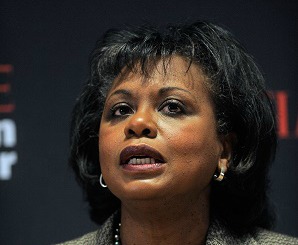
* The untold story behind the Anita Hill hearings. [Highline] * This could be big: a Second Circuit concurrence says Title VII already includes prohibitions against sexual orientation discrimination. [Slate] * How the GOP learned to stop worrying and love regulations. [Politico] * Jeff Sessions makes the first move against sanctuary cities. [Pacific Standard] * What lawyers can learn from watching television. [Law and More] * Pay equity moves to the hockey rink. [The Hill] * Bad laws will cost you. [The Slot]

It's more about the bully than the star, as columnist Richard Cohen explains.

Can you be fired for farting up a storm (or for associating with someone who does)?

The holes in federal law make for some unpleasant state laws. But employers who value diversity can do something about it.